


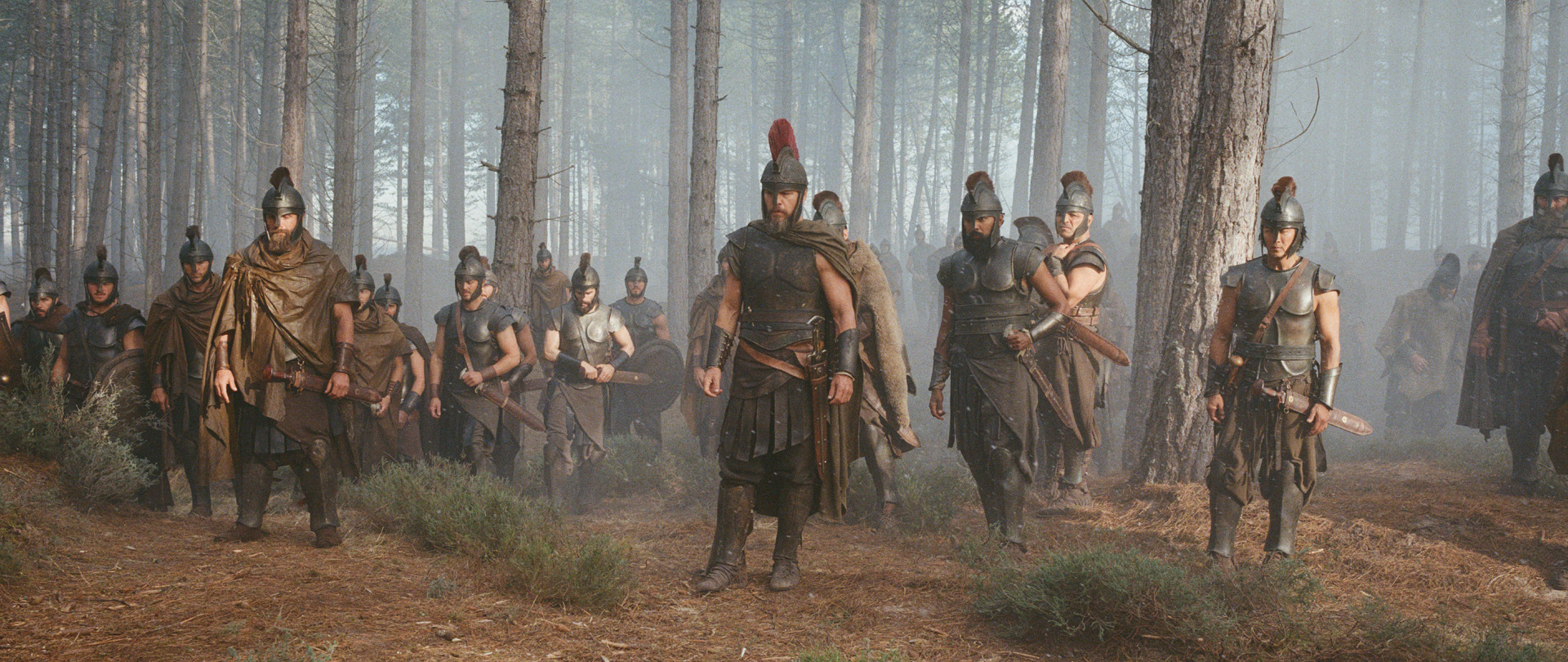
Christopher Nolan’s The Odyssey has finally arrived and we’ve got a lot to say about it. We start with the film itself — what works, what doesn’t, and how this new adaptation compares with Homer’s epic poem. Then we get into the good stuff, like how a simple concept like hospitality helped spread Greek influence across the Mediterranean. Why was mistreating a guest not merely rude, but potentially a serious offence against the gods? We explore how the concept of xenia becomes a way of defining who is “civilised” and who can be treated as a barbarian — and how the Odyssey tests the dangers of both breaking and trusting it.
From there, we step back and ask the bigger question: who and when was this Homer guy, anyway? We journey from Mycenaean Greece and the Late Bronze Age to the mysterious Greek Dark Ages and the emergence of the Archaic Greek world. Along the way, we untangle how much of the world described in the Odyssey reflects a genuine memory of the Bronze Age and how much belongs to the society that eventually wrote it all down. Which brings us to the Late Bronze Age Collapse that Nolan heavily alludes to – what do we actually know about it, and how might the collapse have survived in Greek cultural memory?
Grab your oar, avoid the sirens, and join us as we sail into the real history behind The Odyssey.
Podcast: Play in new window | Download
Subscribe: Apple Podcasts | RSS

